



In a spirit of hope and commitment, the Teresian Association Youth and Vocation Ministry of Iloilo recently held on September 28 in Puluy-an TA (Oton, Iloilo) a transformative seminar titled “Youth for Good Governance.”
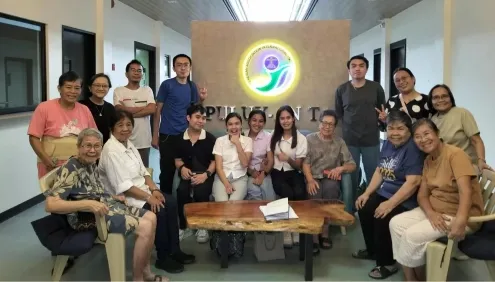 Rooted in the values of the Teresian Association and inspired by the vision of its founder, Saint Pedro Poveda, the seminar aimed to empower young people to become active participants in building a just, accountable, and inclusive society. More than just an educational gathering, the seminar was a meaningful encounter where the nine (9) Iloilo TA Youth Leaders reflected, collaborated, and envisioned their role in shaping a better world with Rose Servano, a TA member, as facilitator. It was organized around three key objectives.
Concept of governance and what constitutes good governance
The first objective was to help participants discover the concept of governance and what constitutes good governance. This learning process was approached through three engaging and reflective activities.
To begin with, the participants were asked to introduce themselves by sharing not just their names, but also their personal strengths and moments of excellence. This activity fostered an atmosphere of mutual respect, where everyone felt seen, heard, and valued. It allowed the young people to celebrate one another’s gifts and recognize the unique contributions each individual brings to the table.
The second part of this objective invited the youth to a 15-minute reflective walk around Puluy-an TA, where they were encouraged to observe their surroundings and reflect deeply on the pressing issues young people face in their communities. These included concerns on social inequality, values foundation of the young and the lack of platforms where youth voices are taken seriously. This quiet moment allowed participants to ground their understanding of governance in real-world concerns that directly affect their lives.
After this reflective experience, participants reconvened to share the emotions and insights that arose during their walk. The open sharing created a safe space where vulnerability was welcomed and respected. Following this, the youth were asked to draft possible solutions and actions that could address the issues they identified. These initial proposals became a crucial foundation for the advocacy programs developed in the next part of the seminar.
 Young people and advocacy for good governance
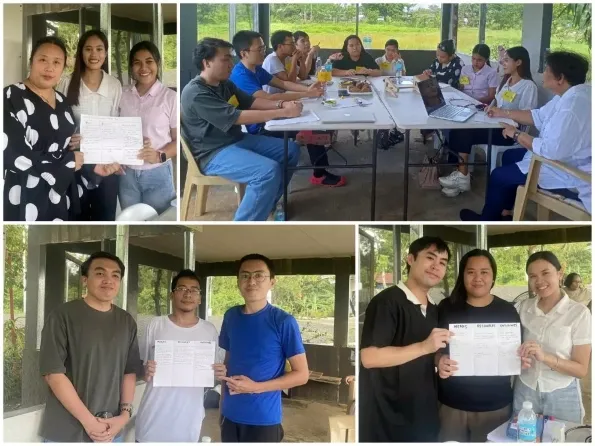
The second objective of the seminar focused on determining how young people can effectively advocate for their role in good governance. In this session, the participants were divided into three small groups, each composed of three members. Together, they created advocacy program proposals using a structured table matrix that outlined the Means, Resources, and Expected Outcomes of their initiatives. Each group tackled a different but equally vital area of concern.
Group 1 focused on the importance of values formation among young people. They proposed the implementation of workshops and mentorship programs that would instill core values such as honesty, responsibility, and servant leadership recognizing that good governance begins with good character.
Group 2 presented a dual-focus proposal. First, they emphasized the need to revive the youth’s faith in God through spiritual activities such as youth masses, retreats, and prayer gatherings. Second, they explored how social media could be harnessed as a powerful tool to influence others positively, advocating for digital campaigns that promote truth, kindness, and wise online behavior.
Meanwhile, Group 3 addressed the importance of amplifying the voice of the youth. They stressed that young people must be heard in decision-making processes and proposed platforms such as youth consultations, representation in local governance, and online forums where young people could speak freely about community issues.
Building good governance
The third and final objective of the seminar aimed to help participants understand how to build good governance through the parliamentary process. This session introduced the basics of parliamentary procedures and emphasized how these democratic processes are essential for ensuring fair representation and the pursuit of the common good. Youth were taught how decisions should be made collaboratively, guided by ethical leadership, and grounded in respect for all voices, especially those of the marginalized.
This session reinforced the seminar's key message: that good governance is participatory, accountable, effective, inclusive, and just. It equipped the participants with practical skills they could use in real-world contexts, skills such as active listening, structured debate, and consensus-building. As the seminar drew to a close, the youth were reminded of the powerful words of Saint Pedro Poveda “Oh youth, you ask me what you can do, You can conquer the world, no more, no less.” Poveda believed deeply in the ability of young people to transform the world through a life grounded in faith, service, and justice. This seminar was a living testament to that vision. It affirmed that the youth are not simply the leaders of tomorrow they are leaders today, with the creativity, insight, and courage needed to make a real impact in their communities.
In the end, the Youth for Good Governance Seminar was more than just a gathering of young minds, it was the beginning of a movement. A movement of young people who recognize their responsibility, embrace their power, and commit themselves to being catalysts of change. Through reflection, collaboration, and action, the youth have taken their first steps toward creating a society that is not only governed well but governed justly.
Rose Ann R. Protacio, IT Youth-Iloilo.
 Published in News
Comments will not be posted automatically, they are subject to moderation.
The email address WILL NOT BE VISIBLE in the comments section.