



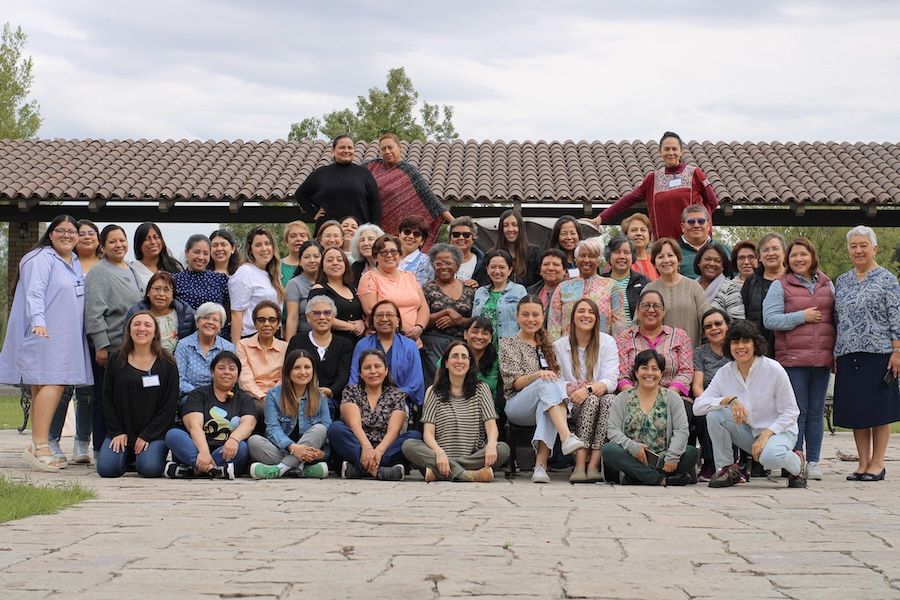
A Pan-American Seminar was held in Leon-Guanajuato, Mexico, from 2 to 6 October 2024, under the title: ‘Education Today: Memory, Dignity and Peace’. It was organised by the Socio-Educational Proposal (PSE).
More than fifty TA members and co-workers from Argentina, Bolivia, Brazil, Chile, Colombia, Dominican Republic, Guatemala, Mexico, Peru, Spain and the United States attended this Seminar.
The way to peace
The topic for the first day was ‘Memory, Dignity and Peace’. The speakers were Yohana López, member of the Inter-Church Justice and Peace Commission of Colombia, and Abel Barrera, director of the Tllachinollan Human Rights Centre in Guerrero, Mexico. They invited us to reflect on the path to peace that needs to begin in territories where there is systematic state violence. They both stressed the importance of everyone working together to build restorative justice which recognises that victims' pain must be acknowledged in order to restore their dignity and achieve long-awaited peace.
They also explored the topic of ‘Memory and Human Rights Education’. This was introduced by Blanca Fuentes, coordinator of the Xajanaj Kahalepana socio-educational project from Guatemala, and Diana Limón, teacher at the Pedro Poveda School in Mexico. They talked about the need to build inclusive, fair, peaceful and democratic spaces for dialogue, where everyone has equal rights and opportunities. Educational practices that aim to foster democracy and respect for human rights, such as the question method, integrated projects and assemblies, were highlighted.
A pedagogy of care
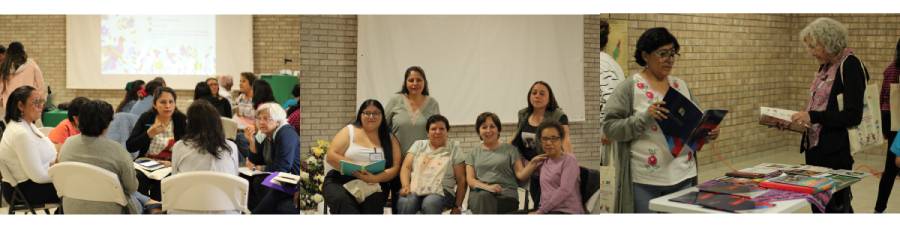
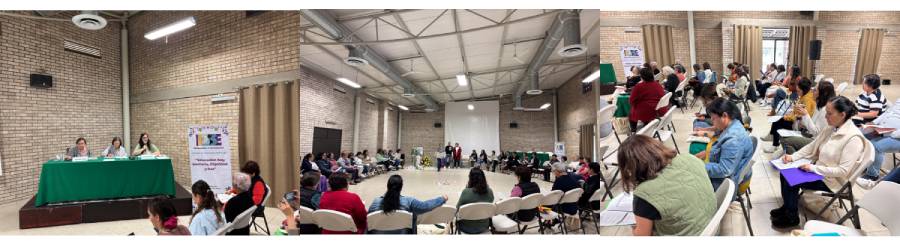
On the second day of the seminar, we addressed the theme of ‘Dehumanisation, Dignity and Peace’. There were noteworthy contributions from Ana Leticia Hernández of the Victoria Diez Human Rights Centre, and Luz Elena Patarroyo, member of the PSE Advisory Commission. Their interventions invited us to reflect on the pedagogy of care and the relevance of understanding that the processes of dehumanisation are produced by inequality and the dynamics of exclusion. However, education should provide us with great hope since we are interdependent human groups that nurture the social fabric.
Challenges in education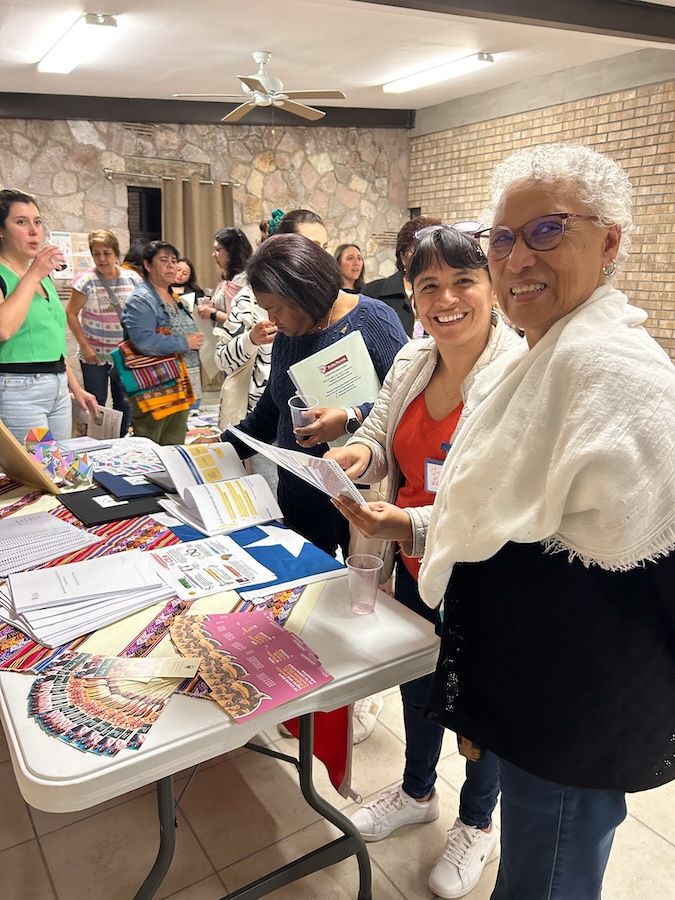
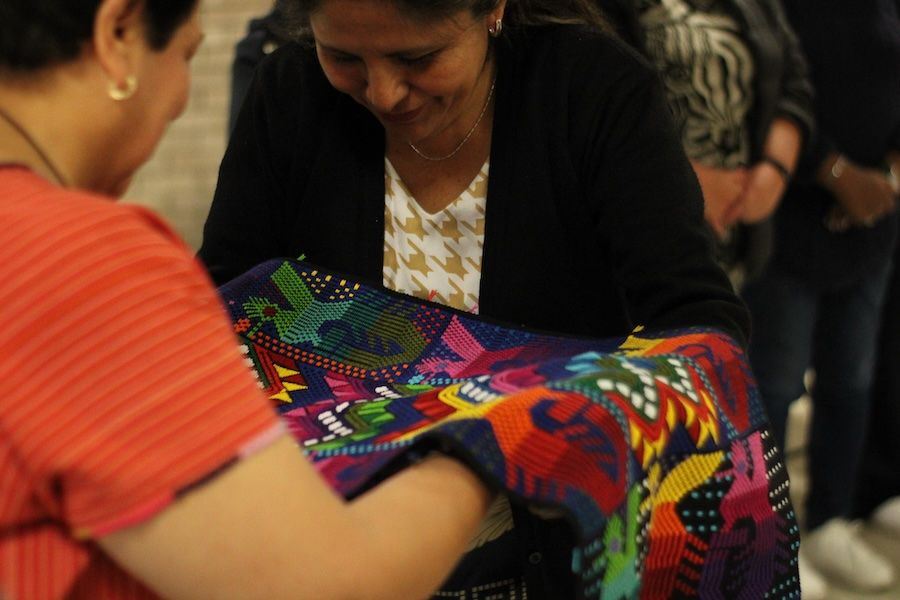
The third day focused on the topic ‘Educational Processes for the Construction of Peace’. We had presentations by Beatriz Fabry, history teacher at the Teresian School in Chile, and from Colombia, Manoly Rey, principal of Liceo Josefa Segovia and member of the PSE Commission. The history of these two countries asks for shared responsibility in constructing a collective historical narrative. Its absence has led to polarisation and to costs that we live with to this day.
In Chile, human rights education is still required. There is also a need to raise awareness of the importance of non-repetition among the younger generations, since they did not have direct experience of the coup d'état. Meanwhile, in Colombia, the Peace Accord has been an opportunity to build a society that heals its wounds and sees the path to peace as a real possibility and not a pipe dream.
We as TA are committed to transformative education, to fostering a type of education that facilitates dialogue in order to confront historical injustices, to repair them and to achieve peace. Only societies that do not exclude people and that respect people's dignity will be able to build participatory spaces of encounter.
Dialogue
On the last day, the directions proposed by the PSE Continental Advisory Commission for the period 2024 - 2029 were presented. The working groups underlined the need for dialogue in all educational processes in order to bring about peace, daily coexistence and conflict resolution.
Info PSE.
TA Translation Team.
 Published in News
Comments will not be posted automatically, they are subject to moderation.
The email address WILL NOT BE VISIBLE in the comments section.