



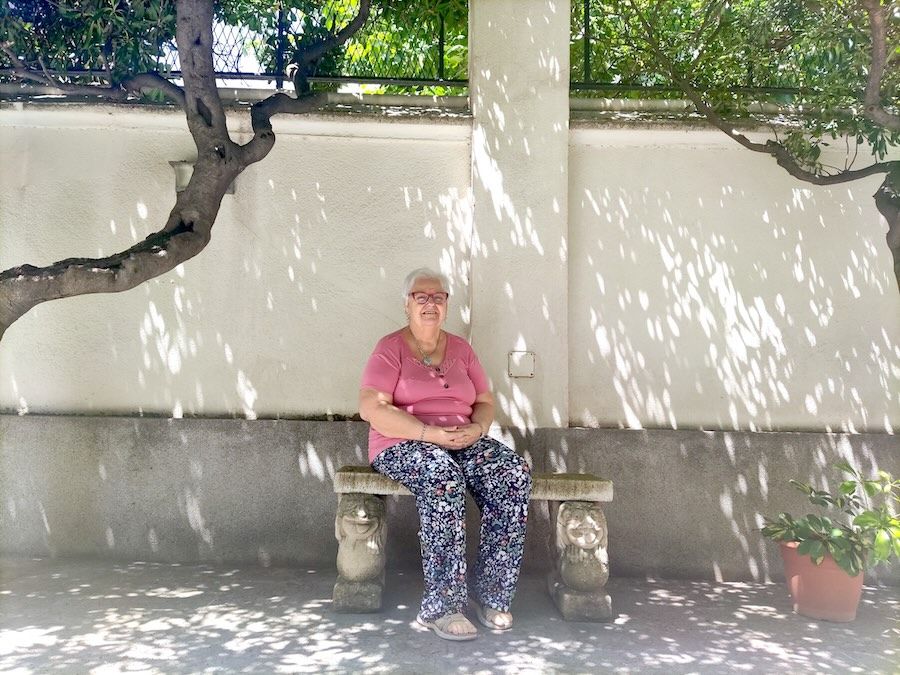
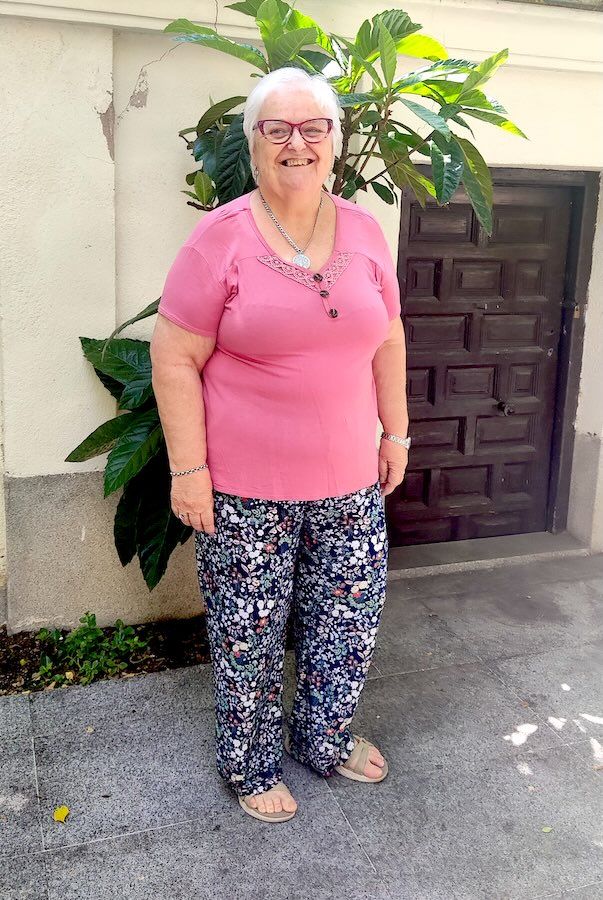
Rosario Alves, a member of the Teresian Association in Uruguay, explains in this interview how the socio-educational project, begun three years ago by the Teresian Association working with the diocese of Maldonado-Punta del Este Minas, is progressing.
How did the TA come to collaborate in this socio-educational project?
The idea was the initiative of Monsignor Milton Trócoli, bishop of the diocese of Maldonado-Punta del Este Minas y Rocha. A few years ago he proposed to the then President of the Teresian Association, Maite Uribe, the possibility of building a chapel dedicated to Saint Pedro Poveda and Saint Francis of Assisi. At the same time, he asked that the Association become involved in a socio-educational project in the spa town of Buenos Aires, located in the department of Maldonado.
 What were the next steps?
While the joint project was taking shape, different TA members spent a year making contact with the community of the spa Buenos Aires. This was to help them get to know the area, to see where people were working, the type of families, the number of children, the educational institutions and the business life.
In this way we worked out a plan after studying the area from the perspective of two social workers, TA members, who contributed to it, Roxana Revetria and Alejandra Pena, and from the viewpoint of education for my own part.
We discovered that there is a huge lack of support for children and teenagers when they leave the formal educational institution they attend: a school with just five classrooms, 380 children and only four hours of activity.
When will the project be launched?
Uruguay has good possibilities, as for the last 25 years the State has been making agreements with private institutions to develop socio-educational projects. Through this national social policy, the socio-educational project called "Children's Club Agreement" was proposed, catering for children from 4 to 13 years of age. This activity complements formal education.
This project is owned by the Diocesan Church and managed by the Teresian Association.
All of this took two years to prepare. However, when the project was presented, it was no longer possible to fund it through the state, because of a general election and a change of government. In August, the country's new budget will be approved, and an agreement will be requested again. It has not really been shelved as the relevant request has been made and is waiting to obtain this financial backing.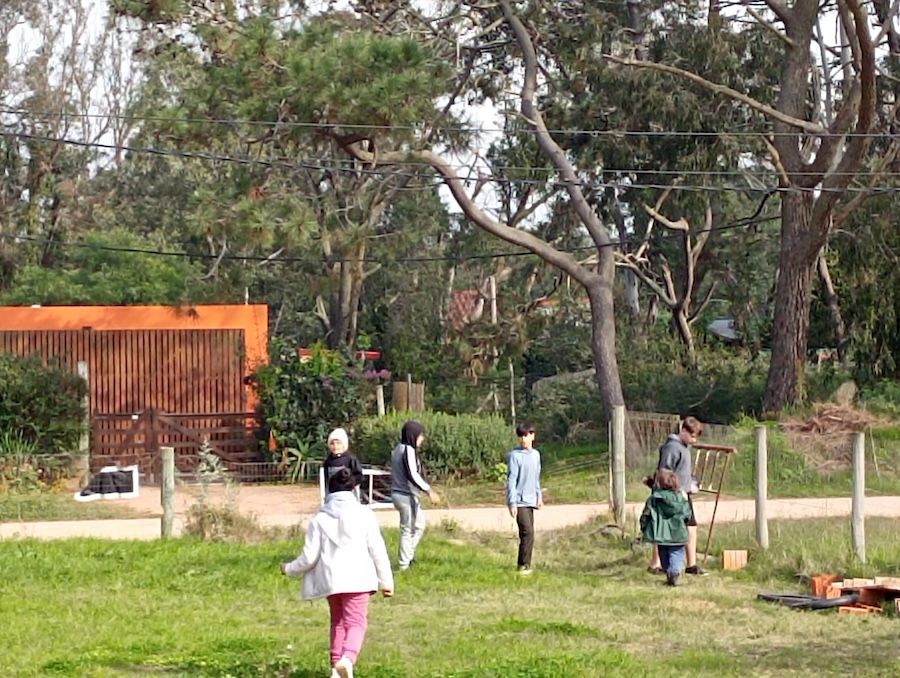
How are you working until this happens?
Given that it will probably not happen before the end of the year, as an Association we decided to move to live in the seaside town of Buenos Aires, around the time of the inauguration of the chapel of San Pedro Poveda and San Francisco de Asís, which took place on 12 April.
The chapel is a multi-purpose room where other activities can take place. For example, a listening space is being organised for people who want to talk and need accompaniment or advice. Another activity is faith education for children, teenagers and 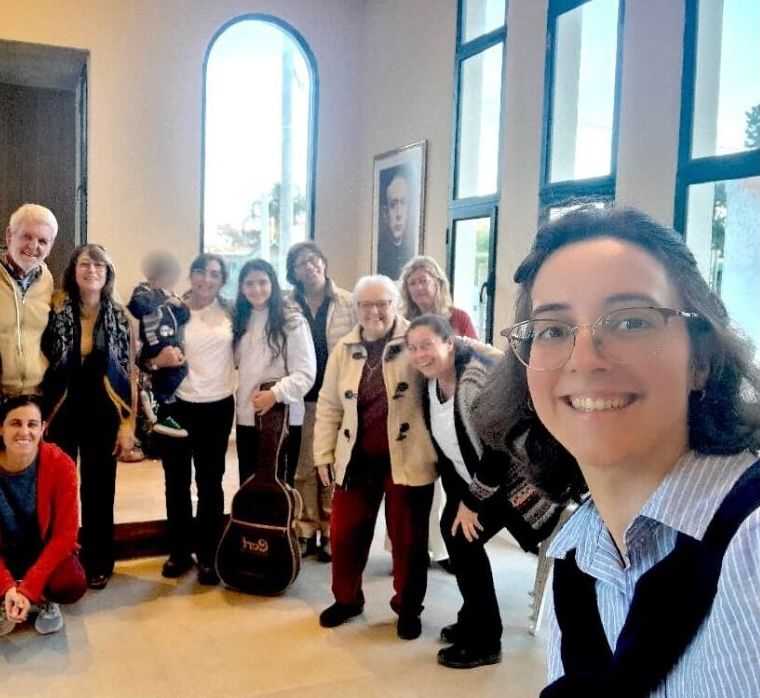 young people. We are also going to start faith education for adults with special educational needs. At the moment, we are also helping with the socio-cultural management of the chapel.
There is also a TA activity that focuses on networking with other institutions in the area. In this activity we can detect people, families and neighbours in a situation of vulnerability or risk or who have suffered harm. Here we accompany them through home visits and at the same time we note into which activity they could be incorporated. In this case we are supported by the NGDO InteRed as a socio-educational TA project.
On the other hand, we are still waiting because the diocese has asked various international organisations for help in building a series of rooms around the chapel in order to develop the socio-educational project.
Are you eager to get started?
We are looking forward to it because it is a real need of the place. This area is located between the seaside towns of Punta del Este and José Ignacio, two coastal resorts with a high economic, cultural and social level, where many artists go. However, this enclave, which falls between both, is one of the forgotten corners of the country.
The population of this seaside resort is made up of people working in domestic services, construction, hotel reception, hotel cleaning, cleaning of educational centres and clubs, both in Punta del Este and José Ignacio. Both are mainly filled with tourists from September to March.
In what ways do the TA members support it?
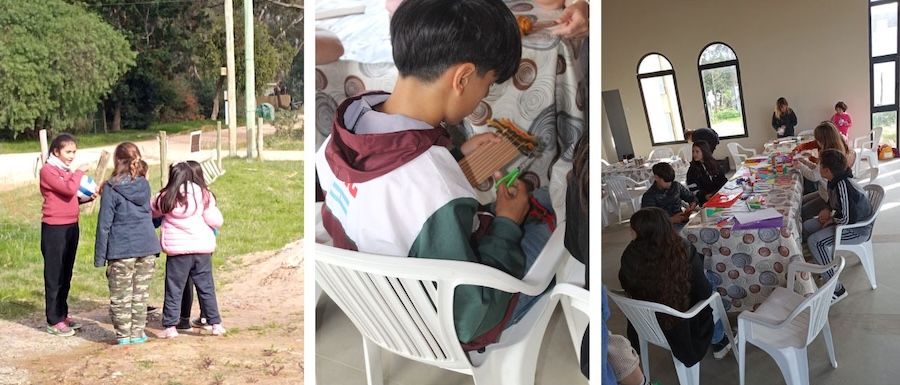
Yes, they are involved in activities of local celebrations, some have been in contact with families and neighbours, and have done some workshops. The whole TA in Uruguay is collaborating. Some members are involved on a daily basis and others at given times.
For example, recently the consecration of the altar and the blessing of the chapel took place and most of us who could be there were present. Then we had the Holy Week celebrations where we were accompanied by some ACIT members. An evangelising mission was carried out with young people from the boys' residence (Conventuals) 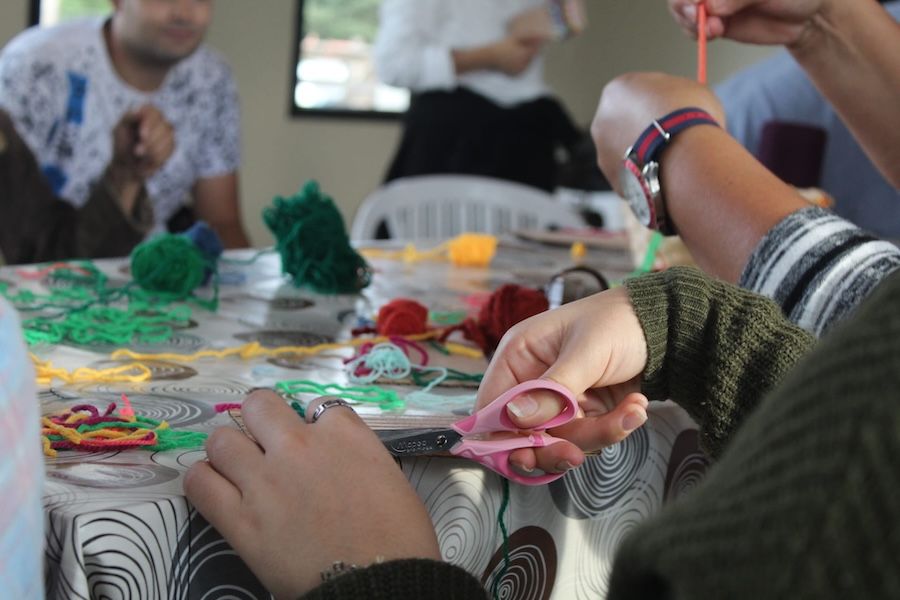 and the women's residence of the TA in Montevideo. We spent three and a half days with 20 young people who went out to get to know the area, to make contact with the people, the neighbours, to invite them to celebrate, to identify needs. Now, as a result of that mission, those of us who live there have entered a stage of greater contact with people we had not reached before.
What are the main needs of this seaside town?
On the one hand, there is the loneliness in which many elderly people live, so it is crucial to accompany them. But also, to manage certain situations of infancy and childhood, teenagers and vulnerable families, sometimes by helping to manage services that the state has in place, such as food baskets, a solidarity salary or for some health issues. There is a polyclinic that operates around the clock, but there are specific health needs.
 What is the situation of the Catholic community in the country?
Uruguay is a secular country with freedom of worship. There are many churches in the area. We think that the Catholic community has so far been very small, although now that we are getting closer, especially in terms of helping social needs, health, food and accompaniment, we are beginning to notice a change. That is to say, when people begin to feel that they are being treated with dignity in their situation, they begin to integrate, to give thanks, to celebrate and also to ask.
The chapel is becoming a place for them to meet with other people, to weave a community network that is in line with their needs in terms of food, social, health, cultural and spiritual needs.
How are you experiencing this initiative?
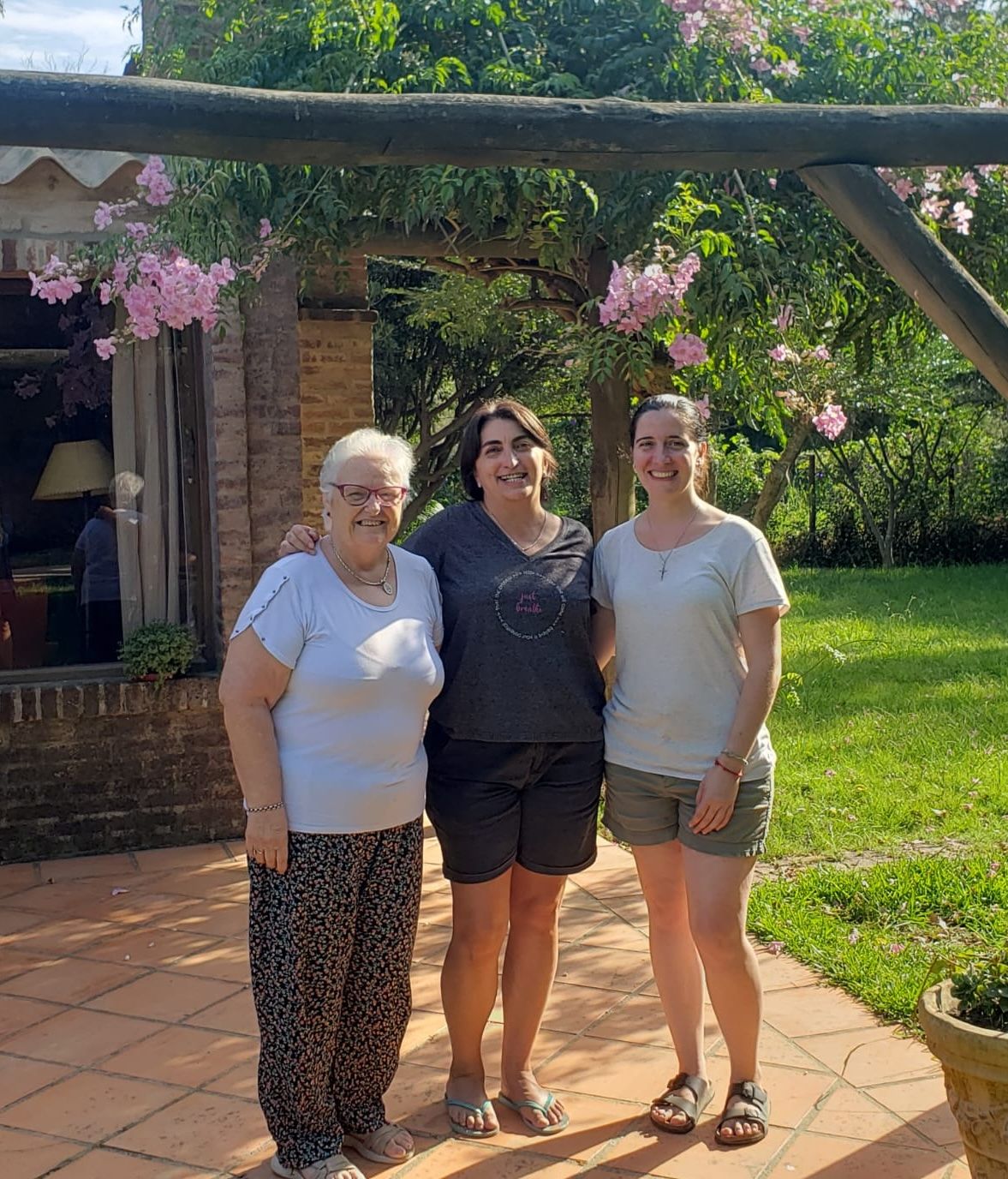
It's a very nice thing. It's very nice to live with two younger people who are very creative, very interested and committed to this process and it's very encouraging and hopeful in this year of hope.
Teresa Rey. Info IT.
TA Translation Team.
 Published in News
Comments will not be posted automatically, they are subject to moderation.
The email address WILL NOT BE VISIBLE in the comments section.