



The Pedro Poveda Higher Institute of Educational Studies (ISESP) held a very successful seminar on best practice and research in inclusive education entitled, ‘Innovate to Include’, on 7 July 2026. The event brought together 173 teachers, specialists and education authorities to share innovative experiences that promote inclusive education in the Dominican Republic.
This seminar is an academic forum aimed at strengthening pedagogical innovation and encouraging exchange of experiences that contribute to the development of inclusive, high-quality education. Throughout the event, there was a focus on reflection, collaborative learning and collective construction of knowledge regarding the current challenges of educational inclusion. ‘Innovating for inclusion means transforming education through commitment, creativity and the conviction that everyone has the right to learn and participate fully.’
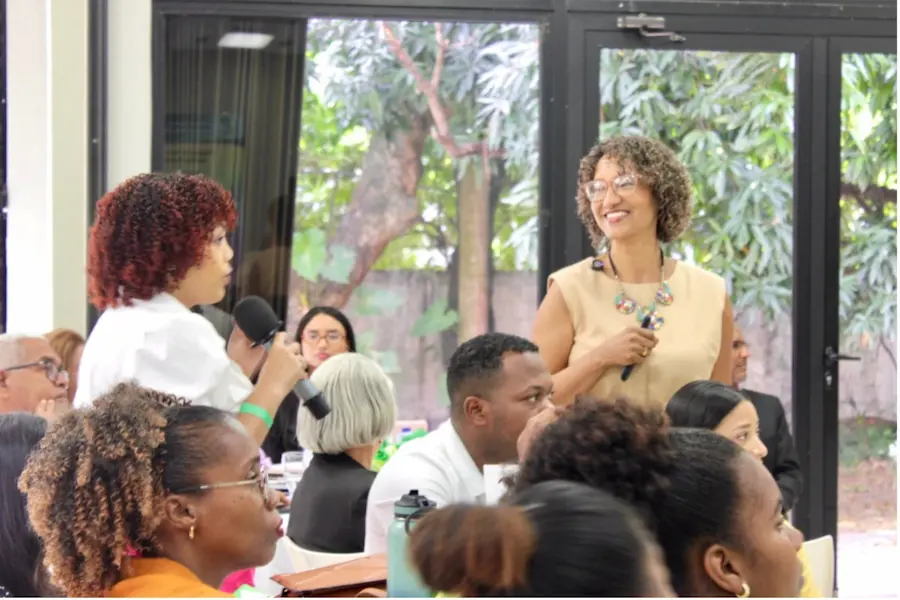
Equitable education
In her opening remarks, the rector of ISESP, Iluminada Rosario Cruz, emphasised the importance of creating academic spaces that encourage reflection on educational practices and highlight transformative experiences taking place in schools. She also reaffirmed the commitment of the Institute to the ongoing professional development of teachers as a means of fostering a more equitable and inclusive education.
 The keynote lecture, delivered by Professor Clara Cruz Marte, addressed the main challenges and opportunities for inclusive education in the context of the country today. She emphasised the need to build schools capable of recognising diversity as a value and guaranteeing learning opportunities for all students, where their rights are upheld in day-to-day classroom practice.
The highlight of the seminar was a presentation on best practices by students specialising in Inclusive Education from the regional centres in Barahona, San Juan, Azua, San Cristóbal and Santo Domingo. The teachers shared experiences implemented in their schools to respond, in innovative ways, to the diverse learning needs encountered in classrooms
Inclusive teaching materials
The programme also included a practical workshop entitled ‘Designing and producing teaching materials for inclusive education’, facilitated by Ms Luisa Massiel Holguín. During the workshop, teaching resources were designed and created using simple, readily available materials. It was also highlighted that creativity and innovation in teaching are essential tools for fostering meaningful learning in diverse educational settings.
The event concluded with closing remarks by Lillian Castillo Almánzar, vice-chancellor for Research, Postgraduate Studies and Outreach, who thanked the attendees for their participation and highlighted the value of such events in reinforcing the ongoing professional development of teachers. Awards were also presented to speakers, facilitators and collaborators in recognition of their valuable contributions to the development of inclusive education in the country.
Through initiatives like ‘Innovate to Include’, ISESP reaffirms its commitment to training professionals capable of transforming educational practice through research, innovation and the exchange of experiences, thereby helping to build a school system that is increasingly inclusive, equitable and centred on the needs of all students.
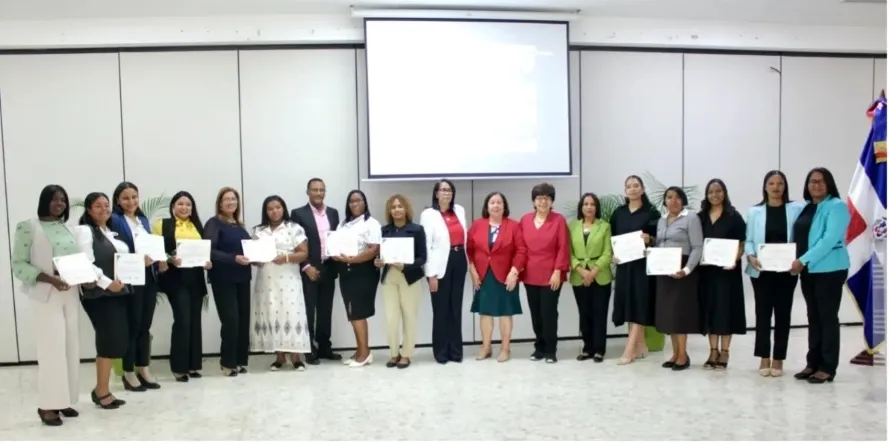
ISESP (Dominican Republic.)
 Published in News
Comments will not be posted automatically, they are subject to moderation.
The email address WILL NOT BE VISIBLE in the comments section.